A blocked drain isn’t always immediately obvious. In some cases, the first sign might be a sink that takes slightly longer than usual to empty. In others, you may suddenly find an outside drain overflowing or wastewater coming back up through a toilet or shower.
Knowing the early warning signs of a blocked drain can help you deal with the problem before it develops into a more serious drainage issue.
Here are some of the most common signs that your drain may be blocked.
1. Water Is Draining Slowly
One of the first signs of a blockage is water taking longer than normal to drain away.
You might notice this in your:
- Kitchen sink
- Bathroom sink
- Bath
- Shower
- Toilet
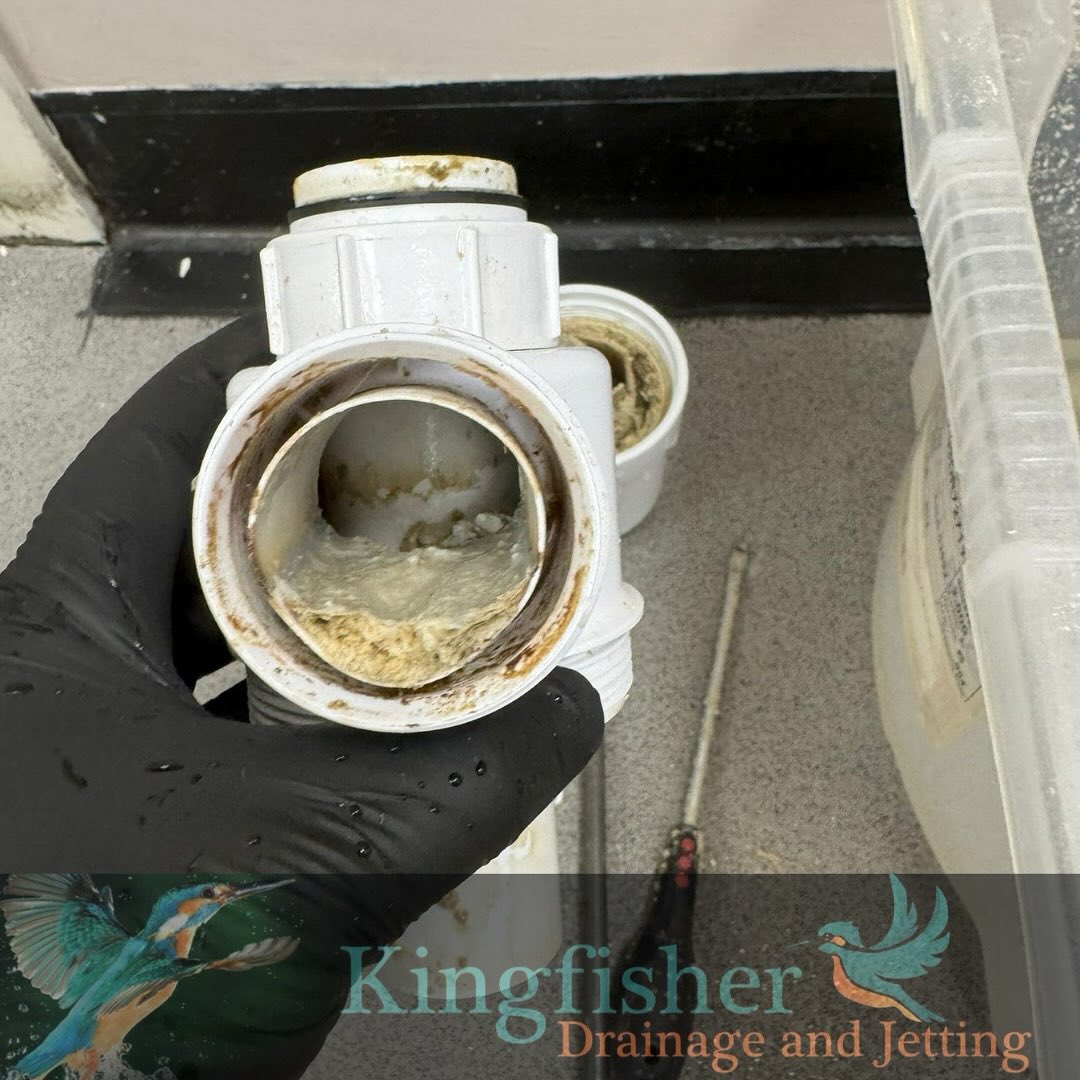
A slow-draining sink or shower doesn’t always mean there is a major blockage. Hair, soap, grease and other debris can gradually build up inside the pipe and restrict the flow of water.
However, if several fixtures around your property are draining slowly at the same time, the problem could be further down the drainage system.
2. Your Outside Drain Is Overflowing
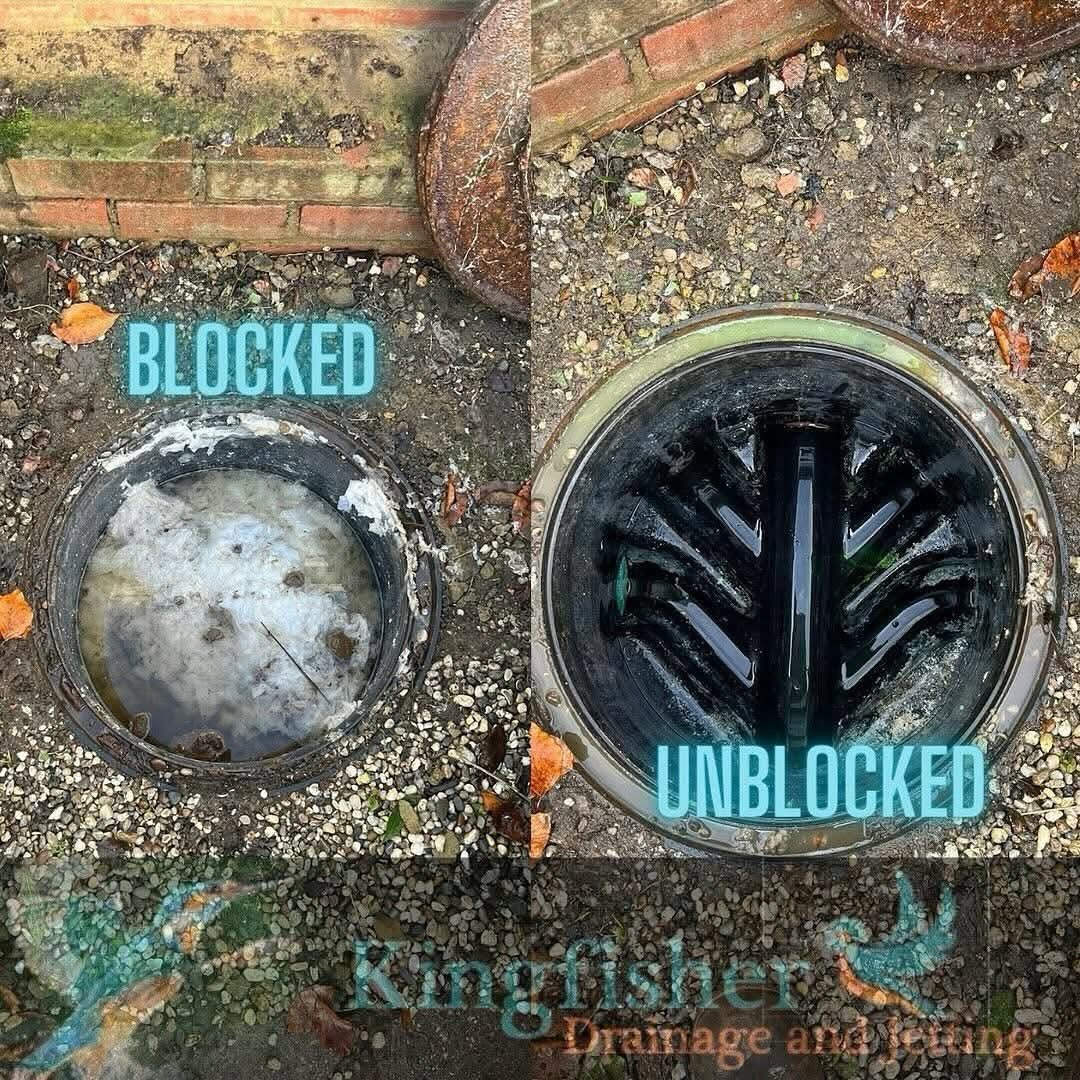
An overflowing outside drain is one of the clearest indications that something isn’t right.
You may notice wastewater sitting around the drain or rising from the drain when you flush the toilet, empty a sink or use the washing machine.
This can happen when a blockage prevents wastewater from travelling through the drainage pipe normally.
If sewage or wastewater is overflowing, it’s best to avoid contact with it and arrange for the drainage system to be inspected.
3. You Can Hear Gurgling Noises
Are your sinks, toilets or drains making unusual gurgling or bubbling sounds?
This can happen when air becomes trapped in the drainage system because water isn’t flowing freely through the pipe.
You might hear gurgling when:
- Flushing the toilet
- Emptying a bath
- Running a tap
- Using the washing machine
- Water drains from a shower
Occasional noises aren’t necessarily a problem, but persistent gurgling combined with slow drainage can be a warning sign of a developing blockage.
4. There Is a Bad Smell Coming From the Drain
Unpleasant smells are another common symptom of drainage problems.
Food waste, grease and other organic material can become trapped inside pipes and begin to break down, producing an unpleasant odour.
A sewage-like smell from sinks, outside drains or other drainage points may indicate a more significant issue and should be investigated, particularly if you also have slow drainage or overflowing water.
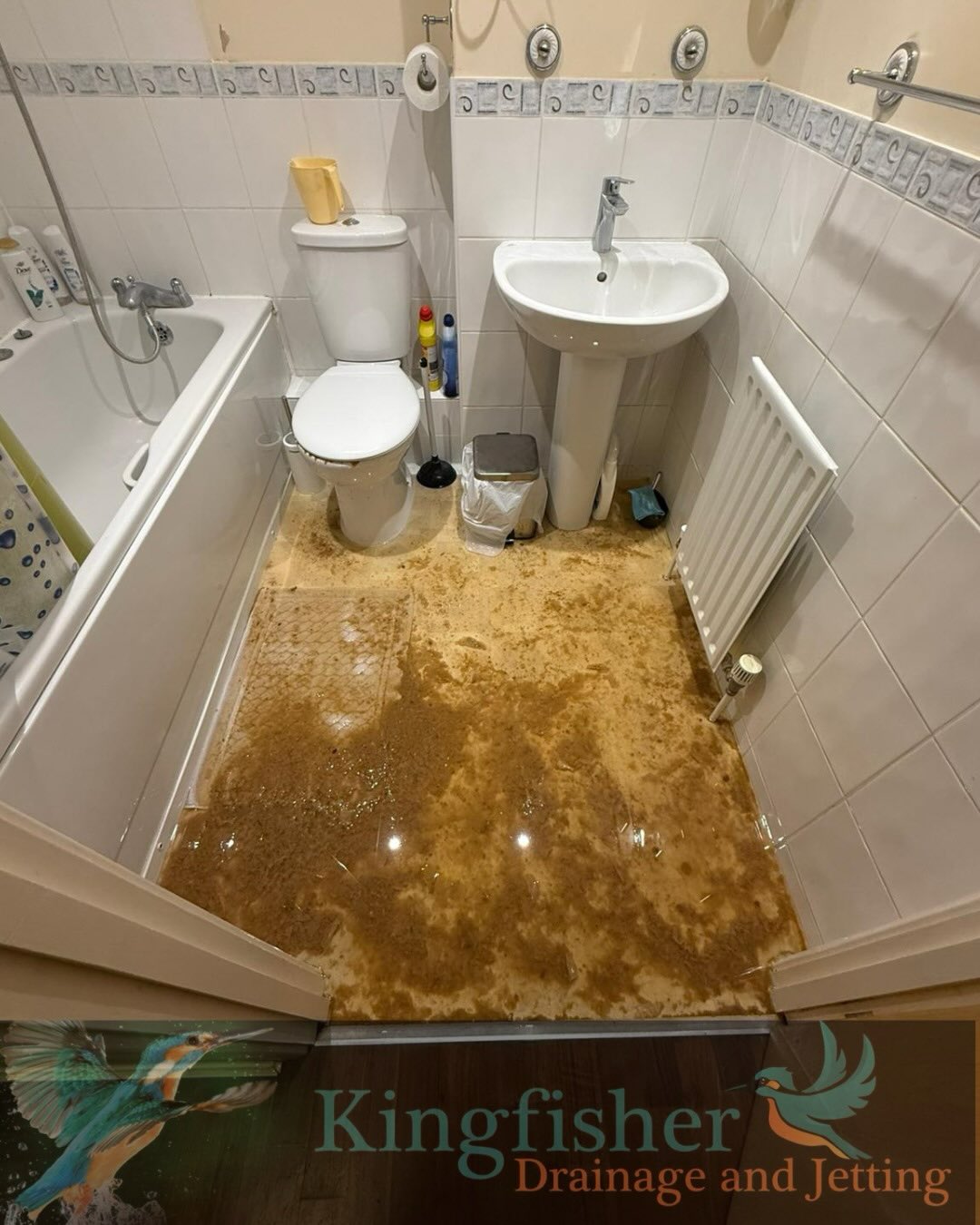
5. Water Is Coming Back Up
Water backing up is a strong indication of a drainage problem.
For example, you might flush your toilet and notice water appearing somewhere else, or empty a sink and see water rising through another drain.
You could also notice:
- Water rising in the shower
- Wastewater coming back into a sink
- A toilet filling unusually high when flushed
- Water appearing around an outside drain
This suggests that wastewater is struggling to travel through the drainage system and is finding another route.
6. Your Toilet Water Is Rising or Draining Slowly
Your toilet can provide several warning signs of a blockage.
If the water rises unusually high when you flush, takes a long time to return to its normal level or doesn’t drain away properly, there could be a blockage in the toilet itself or further along the pipe.
If flushing the toilet also causes water to appear in a shower, bath or nearby drain, the issue may be within a shared section of pipework.
7. Several Drains Are Blocked at the Same Time
One blocked sink could simply be a local blockage.
But if your toilet, shower and sinks are all draining slowly at the same time, there may be a problem with a larger drainage pipe serving the property.
This is particularly worth investigating because clearing an individual sink or toilet may not solve the underlying problem.
What Causes a Blocked Drain?
Drains can become blocked for many different reasons.
Common causes include:
- Cooking fats, oils and grease
- Food waste
- Hair
- Soap residue
- Wet wipes and sanitary products
- Excessive toilet paper
- Foreign objects
- Leaves and outdoor debris
- Tree root intrusion
- Damaged drainage pipes
- Displaced pipe joints
- Collapsed drains
Some blockages are relatively straightforward to clear, while recurring problems can indicate damage or another issue within the drainage system.
Can I Unblock a Drain Myself?
Minor blockages close to a sink, bath or shower may sometimes be cleared using simple household methods.
However, you should be cautious about using strong chemical drain cleaners. They may not resolve more serious blockages and can present risks if handled incorrectly.
If the drain is completely blocked, wastewater is backing up, an outside drain is overflowing or the problem keeps returning, professional drain unblocking may be the better option.
Why Does My Drain Keep Blocking?
A drain that blocks repeatedly can be a sign that simply clearing the immediate obstruction isn’t addressing the underlying cause.
Recurring blockages can potentially be caused by:
- Damage to the drainage pipe
- Tree roots entering the drain
- A poorly aligned pipe joint
- A partial collapse
- Persistent grease or scale deposits
- An object lodged within the pipe
In these situations, a CCTV drain survey may be recommended. A drainage camera can be used to inspect the inside of the pipe and identify damage or other problems that may be causing repeated blockages.
When Should I Call a Drainage Company?
Consider contacting a drainage professional if:
- The drain is completely blocked
- An outside drain is overflowing
- Sewage is backing up
- Several drains are affected
- The blockage keeps returning
- You suspect a damaged or collapsed drain
- You’ve tried clearing the problem but it hasn’t worked
A drainage specialist can locate the blockage and determine the most appropriate way to clear it. Depending on the problem, this could involve professional drain rods, high-pressure water jetting or further investigation using CCTV equipment.
How Is a Blocked Drain Cleared?
The best method depends on the location and cause of the blockage.
Professional drainage companies may use high-pressure water jetting to break up and remove deposits from inside the pipe. Other blockages may be removed mechanically.
If there’s reason to suspect damage, a CCTV drain inspection can help establish what’s happening inside the drainage system before recommending any repairs.
Don’t Ignore the Early Signs of a Blocked Drain
A drain doesn’t necessarily go from working perfectly to completely blocked overnight.
Slow-draining water, gurgling noises, unpleasant smells and rising water can all be early warning signs.
Dealing with the problem early may help prevent the inconvenience of an overflowing drain or wastewater backing up into your property.
Think Your Drain Might Be Blocked?
If you’ve noticed slow drainage, bad smells, gurgling pipes, overflowing drains or wastewater backing up, it may be time to have your drainage system checked.
Whether you have a blocked sink, toilet, outside drain or a recurring drainage problem, a professional inspection can identify the cause and determine the most suitable solution.
Contact us today to arrange drain unblocking, drain cleaning or a CCTV drain inspection and get your drains flowing properly again.
Frequently Asked Questions
What are the first signs of a blocked drain?
Slow-draining water is often one of the earliest signs. You may also notice gurgling sounds or unpleasant smells coming from the drain.
How can I tell if my outside drain is blocked?
Standing or overflowing water around the drain is a common sign. You may notice the water level rising when you flush a toilet or use sinks and appliances inside the property.
Why is my drain gurgling?
Gurgling can occur when air is being displaced or trapped as water struggles to pass through the drainage system. If it happens regularly alongside slow drainage, it’s worth investigating.
Is a sewage smell a sign of a blocked drain?
It can be. Waste trapped within a drainage pipe can produce unpleasant smells, although drainage odours can have other causes too.
How do I know if the blockage is serious?
Multiple affected drains, sewage backing up, an overflowing outside drain or a blockage that repeatedly returns can indicate a problem that requires professional investigation.
Do recurring blocked drains need a CCTV survey?
Not every blockage requires a CCTV survey. However, if a drain repeatedly blocks after being cleared, a camera inspection can help identify underlying issues such as damage, root intrusion or a displaced pipe.