There is no single answer to how often every drain in the UK should be cleaned. Some properties may go years without needing professional drain cleaning, while others, particularly busy commercial premises or properties with recurring blockages, may benefit from regular maintenance.
The important question is not simply how often your drains should be cleaned. It is whether your drainage system is showing signs that it needs attention.
Regular drain maintenance and cleaning can help reduce the build-up of grease, scale, sediment and other debris inside pipework. It can also give drainage engineers an opportunity to identify developing problems before they become emergencies.
At Kingfisher Drainage & Jetting, we provide professional drain cleaning, descaling, high-pressure water jetting and CCTV drainage inspections for domestic and commercial properties across Essex.
How Often Should Household Drains Be Cleaned?
For domestic properties, there is no universal cleaning schedule that applies to every home.
The appropriate frequency depends on factors such as:
- The age and condition of the drainage system
- The number of people using the property
- Previous blockages
- The type of wastewater entering the drains
- Tree roots near underground pipework
- Scale build-up
- The property’s drainage layout
A home that has never experienced drainage problems may not require routine professional cleaning.
However, if your drains regularly become blocked, smell unpleasant or drain slowly, it may be time to investigate why.
What Are the Signs Your Drains Need Cleaning?
Your drainage system will often provide warning signs before a major blockage develops.
Look out for:
- Slow-draining sinks
- Slow showers or baths
- Toilets that struggle to flush
- Gurgling sounds
- Bad smells
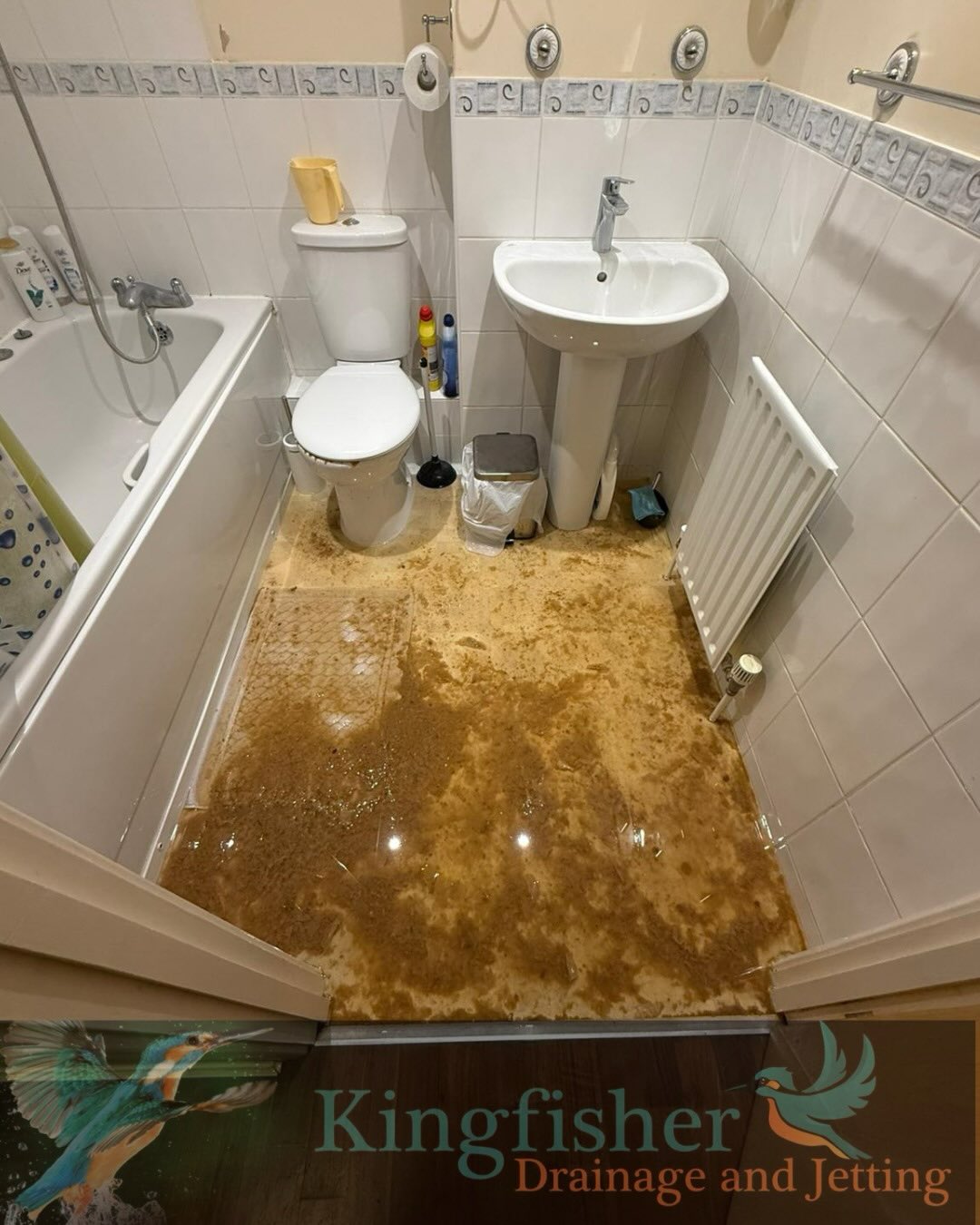
- Water backing up
- Recurring blockages
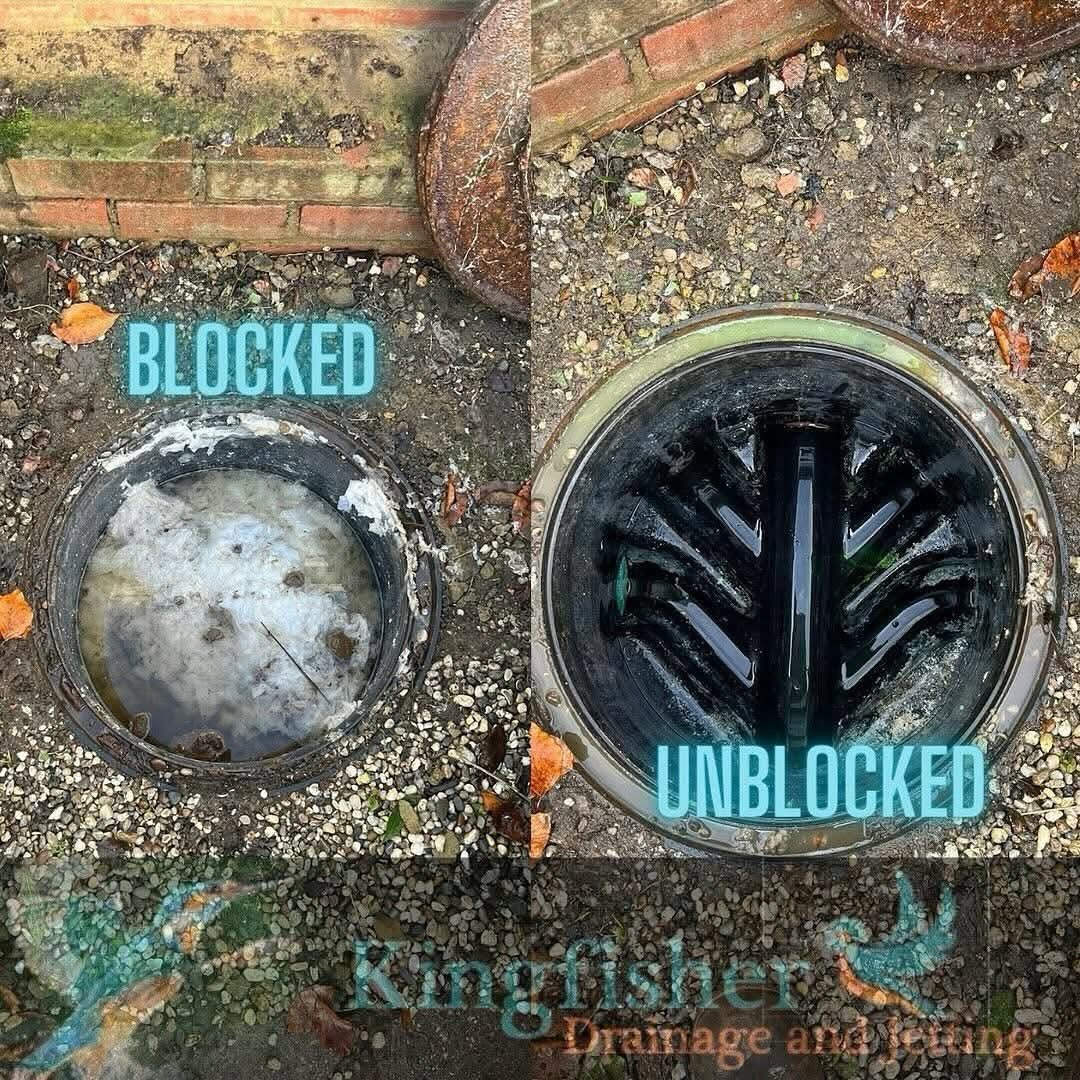
- Overflowing external drains
If you repeatedly experience the same problem, simply clearing the blockage may not be enough.
There could be an underlying issue such as scale, grease, roots or damaged pipework.
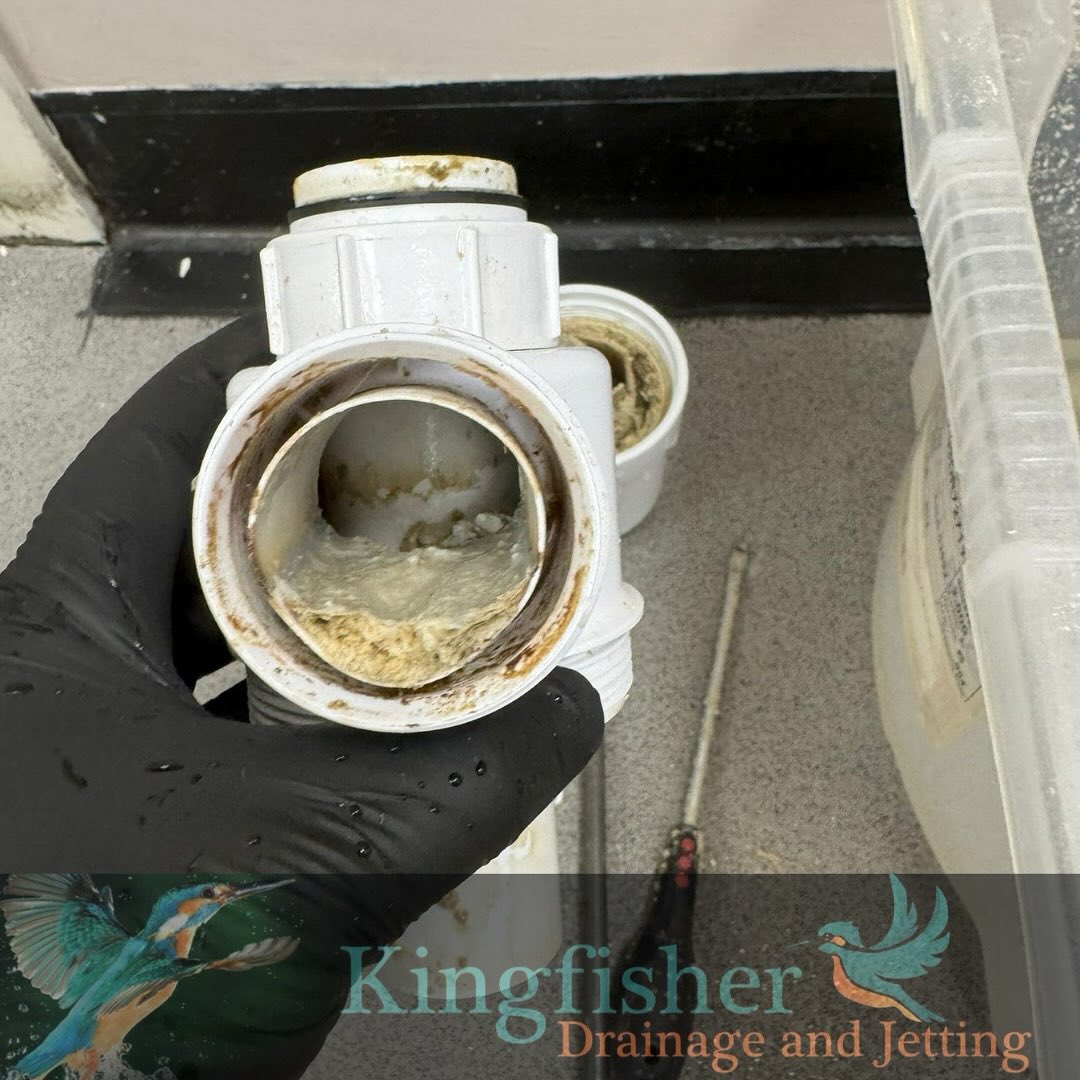
Why Do Drains Build Up Scale?
Scale is a common drainage problem, particularly in areas affected by hard water.
Over time, mineral deposits can build up on the inside of pipework. Other materials can also contribute to restricted drainage, including fat, grease, detergents and organic matter.
In some systems, this build-up can reduce the available space inside the pipe and contribute to restricted flow.
Professional drain descaling can remove suitable deposits and help restore the internal diameter of the pipe.
However, descaling is not automatically required for every drainage system. An experienced drainage engineer should assess the condition and identify the appropriate cleaning method.
How Does High-Pressure Drain Jetting Help?
High-pressure water jetting is a specialist drainage cleaning method that uses powerful jets of water to clean the inside of suitable pipework.
It can be particularly useful for removing:
- Grease
- Fat
- Sludge
- Debris
- Scale deposits
- Other stubborn build-up
The objective is not simply to create a temporary opening through a blockage. Proper drain cleaning aims to remove material from the pipework and restore effective flow.
The method and pressure used should be appropriate for the condition and type of pipe. Older or damaged drainage systems may require additional assessment before jetting takes place.
How Often Should Commercial Drains Be Cleaned?
Commercial properties can have very different drainage requirements from residential homes.
A restaurant or pub, for example, can place significantly more demand on its drainage system than a typical household. Grease, food waste and high volumes of wastewater can all contribute to drainage problems.
Other commercial premises may have large drainage networks, multiple toilets, kitchens or external drainage areas.
For these properties, a commercial drain maintenance programme can be more appropriate than simply waiting for a blockage.
The frequency should be based on the property’s usage, drainage history, pipe condition and risk factors.
Regular maintenance can help businesses identify potential problems before they result in emergency call-outs or disruption.
Why Preventative Drain Maintenance Can Save Money
Waiting for a drain to completely fail can result in more than an inconvenient blockage.
A serious drainage problem can lead to:
- Flooding
- Property damage
- Business disruption
- Unpleasant smells
- Hygiene problems
- Emergency repair costs
Preventative maintenance allows potential issues to be identified earlier.
For example, a CCTV inspection could identify damaged pipework, while professional descaling could address significant deposits before they contribute to a recurring blockage.
The right maintenance approach depends on what is actually happening inside the drainage system.
Should You Have a CCTV Drain Survey?
If you have recurring drainage problems, a CCTV drain survey can be an excellent way to investigate the cause.
A drainage camera allows an engineer to inspect accessible pipework internally and look for defects such as cracks, root intrusion, scale, displaced joints and collapsed sections.
If a drain has been repeatedly unblocked, a CCTV survey can help establish whether there is an underlying structural problem.
This is particularly useful for commercial premises where recurring drainage problems can disrupt customers, staff and normal business operations.
Drain Maintenance for Landlords and Commercial Property Owners
Landlords and commercial property owners have an additional reason to take drainage maintenance seriously.
Recurring drainage failures can result in tenant complaints, emergency repairs and disruption to the property.
A planned maintenance programme can help identify drainage issues before they become major problems.
For commercial sites, Kingfisher Drainage & Jetting can provide services including:
- Drain cleaning
- High-pressure water jetting
- CCTV drain surveys
- Drain descaling
- Root removal
- Drain repairs
- Drain relining
- Manhole maintenance
- Emergency drainage
How Can You Prevent Blocked Drains?
Professional cleaning is only one part of good drainage maintenance.
At home or in a business, you can reduce the risk of blockages by avoiding putting inappropriate materials down sinks and toilets.
Never treat your toilet as a general waste bin. Items such as wipes and sanitary products can contribute to blockages, even when products are marketed as flushable.
In kitchens, avoid pouring fats, oils and grease directly down the sink. Allow them to cool and dispose of them appropriately instead.
These simple habits can reduce unnecessary strain on your drainage system.
When Should You Call a Drainage Professional?
If a drain is repeatedly blocking, draining slowly or producing persistent unpleasant smells, it is worth getting professional advice.
You should seek urgent assistance if wastewater is backing up, an outside drain is overflowing or you suspect a collapsed or damaged pipe.
At Kingfisher Drainage & Jetting, we can investigate the problem rather than simply treating the symptoms.
Professional Drain Cleaning Across Essex
There is no one-size-fits-all answer to how often drains should be cleaned. The right frequency depends on the property, drainage system, usage and history of problems.
If your drains are showing warning signs, professional cleaning, descaling or a CCTV inspection could help identify and resolve the underlying issue.
Kingfisher Drainage & Jetting provides drain cleaning, drain maintenance, high-pressure water jetting, CCTV drain surveys and emergency drainage services across Essex.
If you are experiencing recurring blockages, slow drainage or bad smells, contact our experienced team for professional advice and a drainage solution suited to your property.